Corey, you have a great teaching style! I hope we can see more of these. Well paced and I learned a few tricks along the way (e.g., copying the channel to its own layer). One suggestion would be to supply the photo so that someone could ensure your exact steps, comparing to the before and after.
I tried to follow your instructions but I use Photoshop Elements 6.0. I got stuck when trying to use the channels after adding the Vivid Light Background copy. Can you post the same article using ELEMENTS?
Thanks so much
julie
Hello there,
I was wondering if it would be possible for someone to actually write the steps down to some of the longer techniques and have them available alongside the video. I love the videos they are great, but I can not recall all the stuff you said when I try it for myself so have to keep starting and stopping the video to follow it!
Not a very good way to work!
I buy a photo mag in the UK which has a DVD of video techniques and also has them written in the mag so you can refer to that after watching the videos I find that an easy way to work, but I have to say their stuff isn’t as good as yours!
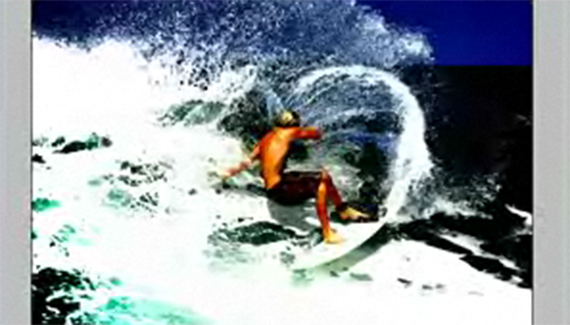
I can’t believe you’ve had numerous appearances and an executive producer of such identity doing things like these. You’re colors and contrast are too drastic. Original looked way better with a few minor adjustments. I guess it’s really not what you know but who you know. take care.
To Zach, wow you’ve read my mind. That effect gave me the creeps. It makes the photo to stand out and would definitely catch my eye if I would be browsing through photos. But that is because of how colorful it is rather than how well photoshoped it is. That effect puts the photo in photoshop disaster category. Sorry for being harsh but that’s my opinion.
Sadly the finished effect does not come across well on the compressed video. The final image, as seen in Photoshop came out really dramatic and the detail can be seen more.


Corey, you have a great teaching style! I hope we can see more of these. Well paced and I learned a few tricks along the way (e.g., copying the channel to its own layer). One suggestion would be to supply the photo so that someone could ensure your exact steps, comparing to the before and after.
I tried to follow your instructions but I use Photoshop Elements 6.0. I got stuck when trying to use the channels after adding the Vivid Light Background copy. Can you post the same article using ELEMENTS?
Thanks so much
julie
As this effect requires the use of channels, it can only be achieved in full version Photoshop. Elements doesn’t allow access to the color channels.
Great tutorial… fun to watch you working.
Thanks
very cool, quality tutorials
How can I reset my channels back to normal, its stuck at grey… and i can no longer use colors!
HELP!
thanks,
Kayla
Cool Tutorial..
Kayla : After Duplicating the Red Color Channel, you’ve to select the Top Most Channel which shows all Channels. 😀
Great tutorial.
Lots of help jazzing up photos in my digital photography class.
i enjoy all your tutorials, they’re amazing and easy to follow…nice one mate
Hey, nice tutorial. All the tutorials I’ve seen are great, easy to follow. I found this site yesterday by random and thank God I found it.
Hello there,
I was wondering if it would be possible for someone to actually write the steps down to some of the longer techniques and have them available alongside the video. I love the videos they are great, but I can not recall all the stuff you said when I try it for myself so have to keep starting and stopping the video to follow it!
Not a very good way to work!
I buy a photo mag in the UK which has a DVD of video techniques and also has them written in the mag so you can refer to that after watching the videos I find that an easy way to work, but I have to say their stuff isn’t as good as yours!
thanks for this cool tutorial. Now I could make this for my photo product dramatically… 🙂
Corey those tutes are so helpful:) thanks!!!
I can’t believe you’ve had numerous appearances and an executive producer of such identity doing things like these. You’re colors and contrast are too drastic. Original looked way better with a few minor adjustments. I guess it’s really not what you know but who you know. take care.
To Zach, wow you’ve read my mind. That effect gave me the creeps. It makes the photo to stand out and would definitely catch my eye if I would be browsing through photos. But that is because of how colorful it is rather than how well photoshoped it is. That effect puts the photo in photoshop disaster category. Sorry for being harsh but that’s my opinion.
Sadly the finished effect does not come across well on the compressed video. The final image, as seen in Photoshop came out really dramatic and the detail can be seen more.